
The Allure of Risk in Gambling
Risk-taking is an intrinsic part of the casino experience, deeply rooted in human psychology. Many visitors are drawn to casinos not just for the games, but for the thrill that accompanies the potential for loss and gain. This allure can be attributed to the dopamine release that occurs when players engage in risky behaviors, creating a cycle of excitement and pleasure that can be hard to resist. For insightful resources on this topic, you might explore whitehottruth.com, where gambling psychology is examined in detail.
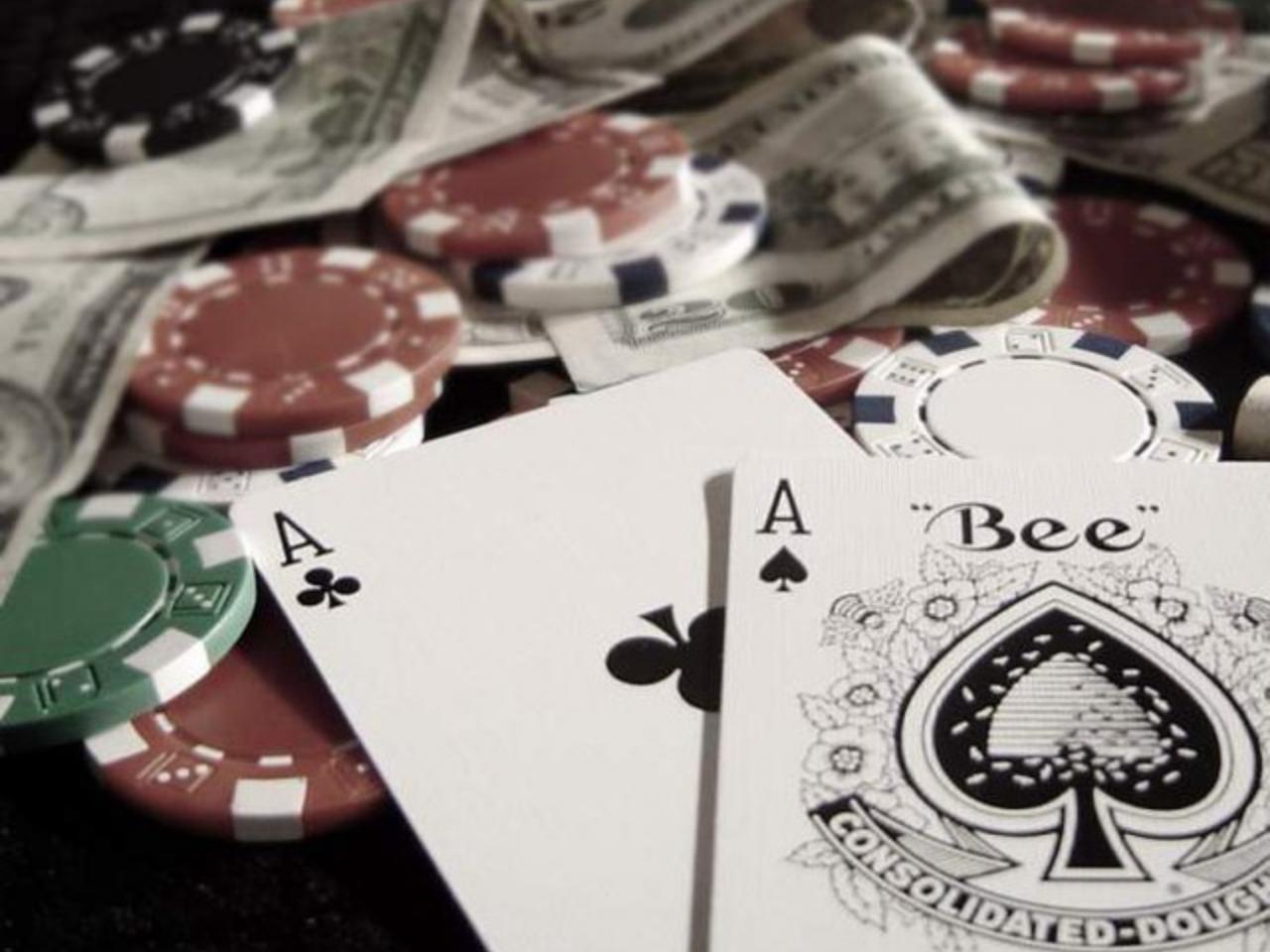
This psychological phenomenon is often intensified by the environment within a casino. Bright lights, ringing slot machines, and the presence of other players amplify the sensory experience, making risk-taking feel more exhilarating. Such an atmosphere can lead to increased impulsivity, as individuals are more likely to make rash decisions when caught up in the excitement of the moment.
Cognitive Biases and Gambling Behavior
Cognitive biases play a significant role in encouraging risk-taking behavior at casinos. One common bias is the illusion of control, where players believe they can influence the outcome of games that are fundamentally based on chance. This belief can lead individuals to bet larger amounts, thinking they have a better chance of winning.
Another cognitive bias is the gambler’s fallacy, where people erroneously believe that past outcomes can influence future results. This can result in players continuing to wager despite consecutive losses, convinced that their luck will change. Understanding these biases is crucial for recognizing how they promote a cycle of risk-taking behavior among casino patrons.
The Role of Emotional States in Gambling Decisions
Emotional states significantly affect decision-making at casinos. Anxiety and excitement can enhance a person’s willingness to take risks. For instance, individuals may gamble more aggressively after winning a few rounds, feeling a rush that propels them toward further bets. Conversely, those experiencing loss may escalate their betting in hopes of recouping their losses, driven by a mix of desperation and thrill.
Moreover, the social aspect of gambling can amplify these emotional states. Playing alongside friends or engaging with strangers can create a communal sense of euphoria, influencing individuals to take greater risks collectively. This social reinforcement can exacerbate impulsive gambling behaviors, leading to increased betting and, at times, regrettable financial decisions.
The Impact of Environment on Risk-Taking Behavior
The casino environment is meticulously designed to promote risk-taking. From the layout of gaming tables to the strategic placement of slot machines, every element is aimed at maximizing player engagement. The absence of clocks and windows creates a sense of timelessness, encouraging players to stay longer and bet more.
Additionally, the use of rewards and incentives, such as loyalty programs and free drinks, can make players feel valued and more inclined to take risks. These tactics are not just clever marketing strategies; they tap into the psychological triggers associated with reward systems, further embedding risk-taking behavior within the gaming experience.

Your Resource for Understanding Casino Psychology
Understanding the psychology behind risk-taking at casinos is essential for anyone interested in gambling, whether for entertainment or research purposes. Our website aims to provide valuable resources and insights into the complexities of gambling behavior, helping individuals navigate the nuances of risk and reward.
By exploring these psychological elements, we hope to equip our audience with the knowledge needed to make informed decisions at the casino. Whether you’re a casual player or a seasoned gambler, our resources can enhance your understanding of the gambling experience and its psychological underpinnings.